Spinal cord injury lawyers for life-changing injuries
A spinal cord injury can completely change a person's life and affect their mobility, independence and ability to work. These injuries may require medical care and rehabilitation for a long time. We help you document not only today's expenses, but also the care you may need in the years ahead. The consultation is free and confidential.
- Contact Us
- Online contact form
- No upfront payments
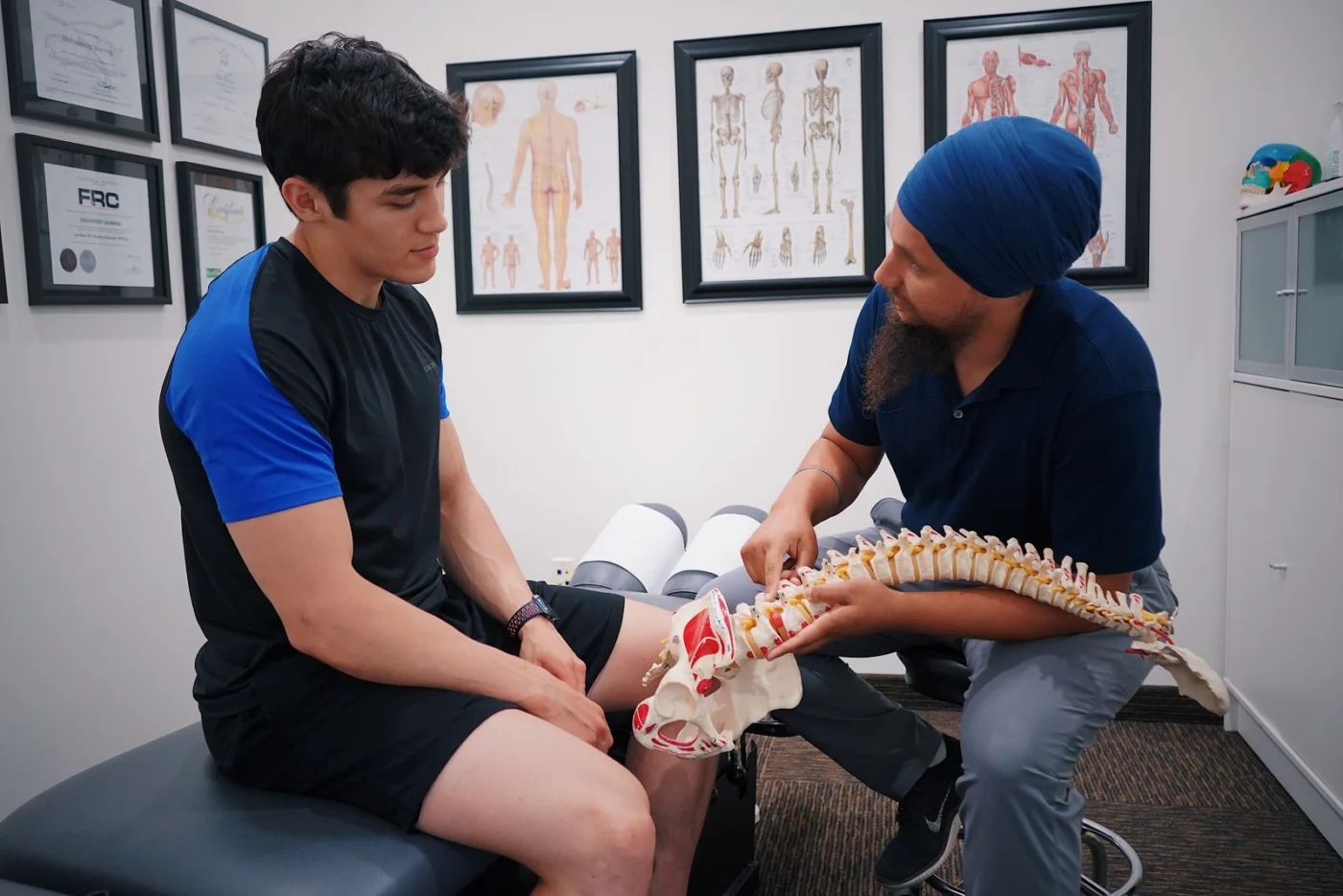
Every case is different and no result can be guaranteed. The consultation is free. Your contract will explain the fees in writing and whether you could owe case costs.
How spinal cord injury claims work
A spinal cord injury claim seeks compensation for damage to the spinal cord or vertebrae caused by someone else’s negligence, from herniated discs and fractures to partial or complete paralysis. These injuries may require lifelong medical care, equipment and assistance.
A settlement that covers only the first year of treatment can leave a family unprotected for decades. That is why it helps for the claim to account for long-term needs, with input from medical and financial professionals when needed.
The most common challenges are early offers made before the prognosis is known, disagreements over whether the injury is complete or incomplete, and the costs of home and vehicle modifications, equipment and nursing care that can be left out of an offer.
Your rights
After a spinal cord injury, your claim depends heavily on what can be proven. The accident report, photos, witness information, your medical and rehabilitation records and a record of how the injury affects your daily life can help clarify who was responsible and how serious the injury was. Much of this information is lost within days: the scene is cleaned up, videos are erased and witnesses become hard to find. Documenting early protects your medical history and your claim at the same time.
It is common for the other party’s insurance company to contact you soon. The adjuster works for the insurer, reviews the claim from the company’s point of view and may ask you for a recorded statement, medical authorizations or a quick settlement. Generally, you are not required to give a statement to the other party’s insurance company, and what you say may become part of the file. Do what your own policy requires to report the accident and cooperate, and consider talking with a lawyer before giving detailed or recorded statements to others.
Early legal guidance can help, because some decisions made in the first few weeks are hard to undo. When you sign a release, the claim is usually closed even if the injury turns out to be more serious than expected. Once you hire us, we can help preserve evidence, communicate with the insurance company on your behalf and seek to have the claim valued once the extent of your injuries is better understood.
Immediate steps
- Get emergency care if you feel numbness, weakness or loss of sensation or movement after an accident.
- Follow the rehabilitation plan you are given and attend your follow-up evaluations.
- Write down how the injury affects your mobility, your work and your daily activities, and the help your family now gives you.
- Keep evidence of how the accident happened: photos, reports, witness names and the vehicle or equipment involved.
- Before accepting a quick offer, consider whether it covers the long-term care you may need.
Mistakes that can hurt your claim
- Accepting the first offer before the long-term prognosis is known
- Settling without estimating future care
- Giving a recorded statement without guidance
- Stopping therapy or rehabilitation too early
- Forgetting home, vehicle and equipment costs when valuing the claim
- Assuming only one party is responsible when several could share the blame
Common cases we handle
Vehicle crashes. Rollovers, high-speed crashes and rear-end collisions that fracture vertebrae or damage the spinal cord.
Falls from heights. Falls from ladders, scaffolding, roofs, balconies and stairs.
Work and construction accidents. Falls, equipment accidents and crush injuries on the job.
Bicycle and pedestrian accidents. Unprotected people struck by a vehicle.
Slips and falls. Hard falls on wet, icy or poorly maintained surfaces.
How a spinal cord injury claim works
Investigation. The claim starts with an investigation into how the spinal cord injury happened: what occurred, who was involved and which rules or duties were not met. We request the official report, inspect the scene when needed and identify the people or companies that may share responsibility.
Evidence. We gather the accident or incident report, photos of the scene, witness statements, imaging, surgery and rehabilitation records and an estimate of future care, along with your medical records and proof of your financial losses. We send early requests asking other parties to preserve their records so they are not lost.
Communication with the insurance company. Once you hire us, we can communicate with the insurance companies on your behalf. We submit a formal claim with the evidence of responsibility and a summary of your damages, and we respond when there are attempts to blame you or downplay your injuries.
Resolution. Many claims are resolved through negotiation once the medical situation is better understood. If a fair agreement is not reached, we can talk with you about filing a lawsuit and taking the case to court. No outcome can be guaranteed, and every case depends on its own facts.
- California
- Monday to Friday, 8 a.m.–5 p.m.
- mike@tudefensaaccidentes.com
Personal injury lawyers
Request a Case Review
Tell us what happened. We review your situation and explain your options, at no cost and with no obligation.
Common causes of spinal cord injuries
These serious injuries often come from violent accidents and safety failures that could have been prevented.
Vehicle crashes
Car, truck and motorcycle crashes, especially rollovers and high-speed or rear-end collisions.
Falls from heights
Falls from ladders, scaffolding, roofs, balconies and stairs.
Work and construction accidents
Falls, equipment accidents and crush injuries on the job.
Bicycle and pedestrian accidents
Unprotected people struck by a vehicle.
Direct blows to the back
Collisions and falling objects that strike the spine directly.
Slip and falls
Hard falls on wet, icy or poorly maintained surfaces that fracture vertebrae.
Types of spinal cord injuries
Severity depends on where the injury is and whether the damage is complete or incomplete.
Spinal injuries we see in these cases
- Paraplegia
- Quadriplegia (tetraplegia)
- Partial nerve damage and incomplete injuries
- Vertebral fractures
- Herniated and ruptured discs
- Loss of movement or sensation
Complete and incomplete injuries
- In general, a complete injury means loss of movement and sensation below the level of the injury; with an incomplete injury, some is preserved.
- The prognosis for each injury is determined by doctors and may be uncertain at first.
- That difference affects how future damages are calculated: equipment, home modifications, care and reduced earning capacity.
- We use information from your doctors and, when needed, other professionals to estimate those costs.
How we help in spinal cord injury cases
A spinal cord injury case should be valued with the long term in mind, using the medical and financial information that requires.
We investigate your case
We investigate how the injury happened, identify the parties who may be responsible and review your medical records to understand the extent of the injury and the care your doctors recommend.
We communicate with the insurer
An early offer may arrive before the prognosis is known. Once you hire us, we can communicate with the insurance company on your behalf and review with you whether each offer accounts for future care.
We seek fair compensation
We document future medical expenses, mobility equipment, home and vehicle modifications, nursing care, lost wages, reduced earning capacity and pain and suffering, and we review every offer with you.
How the insurance process works
The adjuster who calls you after the accident works for the insurance company and reviews the claim from the company’s point of view. Understanding the process helps you make informed decisions.
Recorded statements
What you say may be written down or recorded and become part of the claim file. Follow what your own policy requires, and consider talking with a lawyer before giving a recorded or detailed statement to the other party's insurer.
Early offers
An early offer may come before the full extent of your injuries is known. Once you accept and sign a release, you usually cannot ask for more, even if your injuries turn out to be more serious than expected.
Preserving evidence
Reports, photos, videos and what witnesses remember can be lost over time. Preserving them early helps show who was at fault.
The value of the claim
No one can promise you an amount before knowing your case. The value depends on how serious your injuries are, your current and future medical expenses, lost wages, the evidence and the available insurance.
How we can help
- Once you hire us, we can communicate with the insurance company on your behalf
- We help you document your injuries, treatment and losses
- We ask that evidence be preserved before it is lost
- We review every offer with you and negotiate based on the evidence
- If a fair settlement is not reached, we can talk with you about filing a lawsuit
Already spoke with the adjuster? In many cases you can still consult a lawyer and move forward.
The claim process, step by step
It all starts with a free consultation. After that, our team works with you through the investigation, communication with the insurance company and the resolution of your claim.
Free consultation
Tell us what happened, at no cost and with no obligation. We review the facts, your injuries and any evidence you already have, and explain your options.
Investigation
We investigate what happened and gather evidence, reports and witness statements. We also review your medical information to better understand your losses.
Negotiation with the insurer
We present a formal claim with the evidence of liability and your damages, and we negotiate with the insurance company on your behalf.
Resolution
Many cases are resolved through negotiation. If a fair settlement is not reached, we can talk with you about taking the case to court.
A legal team that puts your case first
Good representation starts with clear communication and attention to what you need. We aim to keep you informed at every stage, in plain language, and to explain your options so you can make your own decisions.
Legal guidance
We explain how an injury claim is investigated, valued and negotiated, and what each step means for you.
Personal attention
Every case is a person and a story. We tell you who your contact on the team is and what comes next in your case.
Clear communication
Plain answers and updates throughout your claim, from the first contact to the end.
You come first
Clear answers, regular updates and respectful treatment. You are a person, not a number.
Compensation you may be able to claim
A spinal cord injury claim seeks to cover immediate treatment, the rehabilitation and equipment that follow, and the long-term support the injury may require. Depending on the circumstances, a claim may include these categories.
Economic losses
- Emergency care, surgery and hospital stays
- Rehabilitation, physical therapy and nursing or attendant care
- Wheelchairs, mobility equipment and assistive technology
- Accessibility modifications to your home and vehicle
- Lost wages while you recover
- Reduced or lost ability to earn money in the future
Non-economic losses
- Physical pain and suffering
- Emotional distress and adjusting to a life with less independence
- Loss of enjoyment of activities you can no longer do
- Loss of companionship for a spouse or family, when it applies
- No lawyer can promise a result. Every case depends on its facts, its evidence and the available insurance.
Find out if you have a case
Tell us briefly what happened. A member of our team will review your situation, explain your options clearly and answer your questions, with no obligation. Before you sign, your contract will explain the fees in writing and whether you could owe case costs.
- Free consultation, no obligation
- Confidential case review
- Your legal options, clearly explained
- No upfront payments
Send us your information through the contact form.
Request a Case Review
It takes about a minute. Your information is confidential and there is no obligation.
Notice: By submitting this form, I agree to the Terms of Use and the Privacy Policy. Submitting this form does not create an attorney-client relationship and does not by itself mean the firm has agreed to represent you. Please do not send detailed or confidential information about your case until our team contacts you.
Questions about spinal cord injuries
Clear answers to the questions people with spinal cord injuries and their families ask us most.
Why are these injuries so expensive?
Because they may require medical care, equipment and assistance for many years, and they can also affect the ability to work in the future. A settlement that covers only the immediate bills can leave a family unprotected for decades.
Should I accept the insurance company's first offer?
Before deciding, it helps to know whether the offer accounts for the long-term care you may need. Once you sign a release, you usually cannot ask for more.
What compensation could I receive?
It may include current and future medical expenses, mobility equipment, home and vehicle modifications, long-term nursing and attendant care, lost wages and reduced earning capacity, and physical and emotional pain and suffering. Every case is different, and no outcome can be guaranteed.
How is the value of a case like this estimated?
It is generally estimated with information from medical and economic professionals about the surgeries, rehabilitation, equipment, home modifications and reduced earning capacity the person may face in the future.
How do I know if I have a case?
It depends on how serious the diagnosis is, how clearly the other party’s responsibility can be shown and the insurance available. In the free consultation, we review your situation at no cost and with no obligation.
How much does a spinal cord injury lawyer cost?
There are no upfront payments and the initial consultation is free. If you decide to hire us, your contract will explain in writing the fee percentage and whether you could owe case costs even if no compensation is obtained.
Has a spinal cord injury changed your life?
Request a free case review today.
Over time, evidence can be lost and claims have deadlines. Tell us what happened and learn your options. The consultation is free, confidential and without obligation.